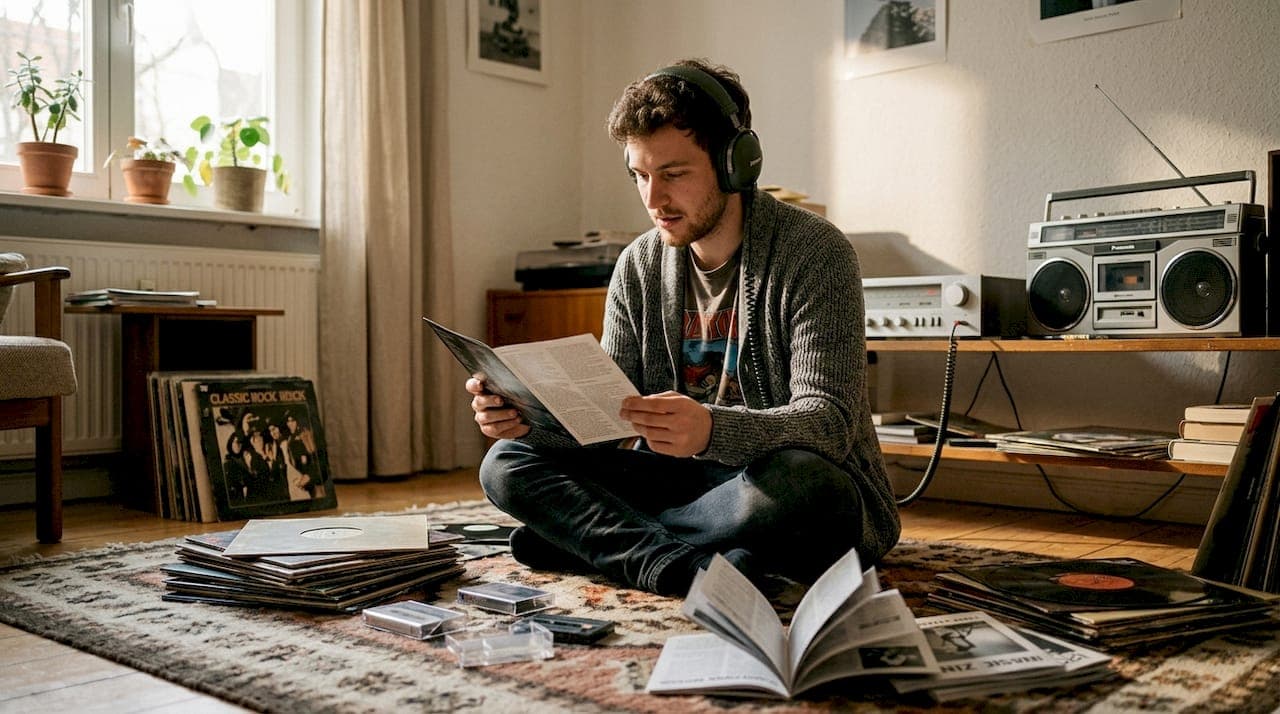
The underground hip hop world moves fast. Blink and you've missed a limited cassette run, a surprise Bandcamp drop, or a vinyl press that sold out before most people even knew it existed. That's not an accident. The scene operates on its own clock, outside the algorithmic playlists and label PR machines that push mainstream music. If you're serious about staying connected to real underground culture, you need a system. This guide breaks down exactly how to track new releases, build the right habits, and support the artists and labels keeping this thing alive.
Table of Contents
- Understanding the underground music release landscape
- Essential tools and platforms for monitoring new releases
- Step-by-step: Setting up alerts and consistent tracking routines
- Digging deeper: Specialized sources and communities for rare finds
- Supporting the underground: Best practices for collecting and sharing
- What most fans miss when tracking underground releases
- Discover and support the next wave of underground hip hop
- Frequently asked questions
Key Takeaways
| Point | Details |
|---|---|
| Track multiple platforms | Relying on a mix of artist pages, label discographies, and community alerts offers the best coverage for new underground releases. |
| Set alerts and routines | Consistent use of notifications and check-ins ensures you never miss a release drop. |
| Engage with the scene | Building relationships and supporting artists directly deepens your involvement and access to rare finds. |
| Support ethically | Purchase music and merch directly from sources to empower underground artists and labels. |
Understanding the underground music release landscape
Before you can track underground releases effectively, you need to understand what you're actually dealing with. Underground hip hop isn't just music that didn't make the Billboard charts. It's a whole different mode of operation. No major label infrastructure. No radio campaigns. No coordinated press rollouts. These releases live and die by word of mouth, community loyalty, and direct-to-fan distribution.
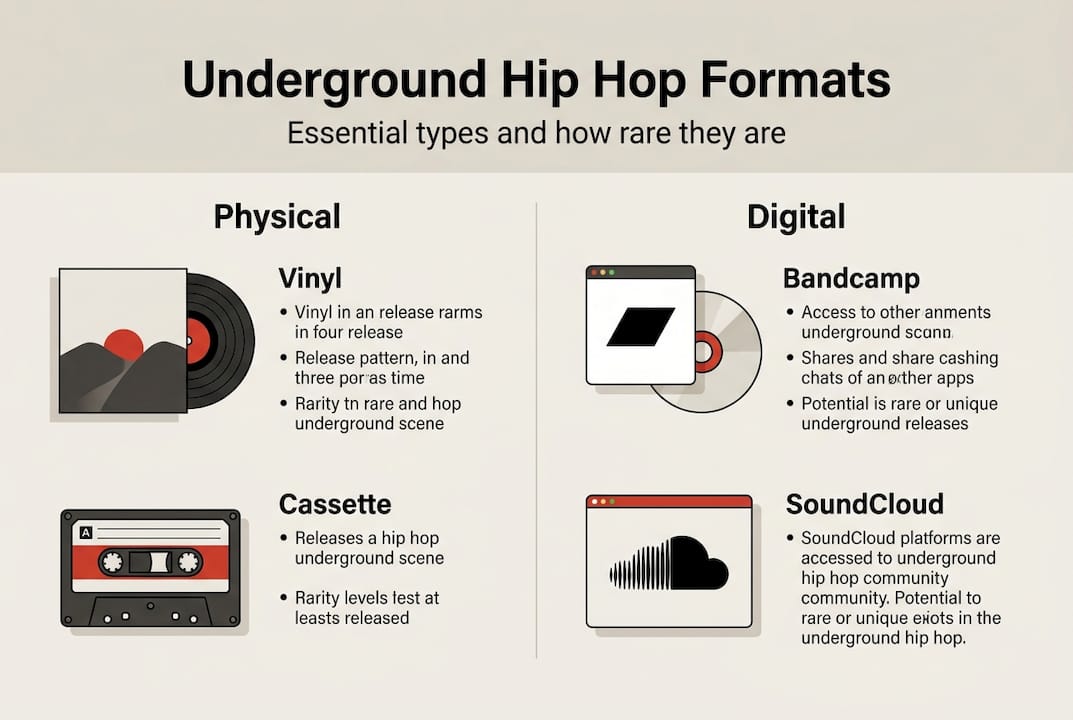
The underground hip hop scene runs on formats that mainstream culture mostly ignores. Here's what you'll encounter most often:
- Bandcamp digital downloads and streaming: The go-to for indie artists. Pay-what-you-want pricing, direct artist support, and instant access.
- Limited vinyl pressings: Often 100 to 500 copies. Once they're gone, they're gone. Collector gold.
- Cassette tapes: Still very much alive in underground circles. Cheap to produce, tactile, and culturally significant.
- Digital singles and free downloads: Dropped without warning, often on SoundCloud or artist websites.
- CDRs and hand-dubbed tapes: The most underground format possible. Purely local, purely raw.
The core challenge is that underground releases bypass mainstream channels, making discovery harder but way more rewarding when you actually find something. There's no centralized hub. No single streaming service catches everything. Releases scatter across a dozen different platforms, local stores, and direct artist channels.
| Format | Availability | Collectability | Price range |
|---|---|---|---|
| Vinyl (limited) | Very limited | Very high | $15 to $35 |
| Cassette | Limited | High | $5 to $15 |
| Bandcamp digital | Wide | Moderate | $0 to $15 |
| SoundCloud free | Wide | Low | Free |
| CDR/hand-dubbed | Hyper-local | Extremely high | Varies |
Following indie label channels directly is one of the smartest moves you can make. Labels curate their rosters with intention. When a label puts something out, it means something.
Pro Tip: Bookmark the release pages of labels you trust. Not just their socials. Their actual websites. That's where the real announcements live before they hit anywhere else.
Essential tools and platforms for monitoring new releases
You need more than one platform. Seriously. No single tool catches everything happening in the underground. The smart play is combining several sources so your coverage is wide and deep.
Here's your core toolkit:
- Bandcamp: Enable follow notifications for every artist and label you care about. You'll get email alerts for new releases the moment they drop.
- SoundCloud: Great for free drops and early loosies. Follow artists directly and turn on notifications.
- Label websites: The most underused resource. Label discography pages and artist profiles let you follow new releases straight from the source, no algorithm in the way.
- Discogs: Essential for physical collectors. Track releases, set up wantlists, and get notified when something you're hunting hits the marketplace.
- Instagram and Twitter/X: Artists announce drops here first sometimes. But don't rely on these alone. Algorithms will bury posts.
- YouTube: Some artists drop visual content and audio here. Subscribe and hit the bell.
| Platform | Notifications | Physical info | Free access | Collector tools |
|---|---|---|---|---|
| Bandcamp | Yes | Yes | Yes | Basic |
| Discogs | Yes | Yes | Yes | Advanced |
| SoundCloud | Yes | No | Yes | None |
| Label websites | Via newsletter | Yes | Yes | None |
| Yes | Partial | Yes | None |
The Field Notes blog at Killing Field Records is a solid example of what a label news page should look like. Real updates, real context, no filler. That's the kind of direct source you want in your rotation.
Mailing lists are criminally underrated. When you sign up directly through a label or artist site, you're bypassing every algorithm that might otherwise hide their content from you. That email hits your inbox. Period.
Step-by-step: Setting up alerts and consistent tracking routines
Knowing the tools is one thing. Actually setting up a system that works every week is another. Here's how to build it properly:
- Create accounts on Bandcamp, SoundCloud, and Discogs. Free accounts on all three. Do it now if you haven't.
- Follow every artist and label you care about on each platform. Enable notifications on all of them.
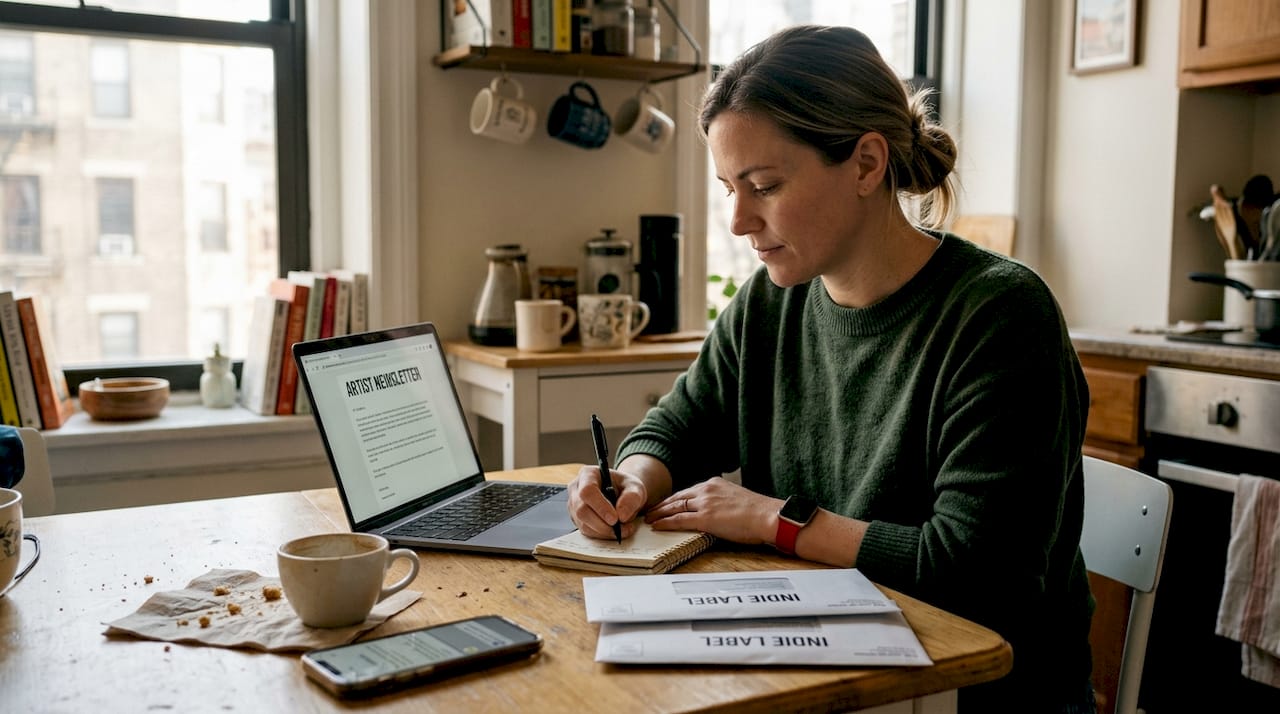
- Sign up for mailing lists. Go directly to label and artist websites. Look for a newsletter signup. This is your most reliable channel.
- Bookmark discography and release pages. Check them weekly, especially for labels that don't post consistently on socials.
- Follow the label artist roster pages of labels you trust. When they sign someone new or announce a project, you'll know.
- Set a weekly check-in ritual. Pick a day. Every Tuesday or Friday, run through your saved pages, check your email, scroll your Bandcamp feed.
- Act fast on limited physical releases. When a limited vinyl or cassette drops, you often have hours, not days.
Pro Tip: Create a dedicated email folder for label and artist newsletters. Don't let them drown in your general inbox. Check that folder on your weekly ritual day.
Staying on top of underground artist news like new signings and upcoming projects is part of the game. Labels telegraph what's coming if you're paying attention. A new artist signing announcement is often a preview of a release six months out.
Consistency beats intensity here. You don't need to be online 24/7. You need a reliable routine that catches the important stuff before it's gone.
Digging deeper: Specialized sources and communities for rare finds
Okay. You've got the basics locked. Now let's talk about where the real rare stuff lives. Because the most exclusive drops don't always hit Bandcamp first. Sometimes they hit a Discord server, a private forum, or a handwritten flyer at a local show.
"Some of the most exclusive underground releases are announced in community-run forums and zines before anywhere else."
Here's where to dig deeper:
- Discord servers: Many underground labels and collectives run private or semi-private Discord communities. Getting in means getting early access to announcements, pre-orders, and sometimes unreleased material.
- Reddit communities: Subreddits dedicated to underground hip hop are active and knowledgeable. Members share drops, reviews, and tips constantly.
- Print and digital zines: Still relevant. Still dropping exclusives. Zines often interview artists before any album announcement goes public.
- Local independent record stores: If you're in a city with a real indie record scene, the shop owner knows things. Get familiar with them.
- Live shows and pop-up events: Artists sell exclusive merch and releases at shows that never hit the internet. Being there is the only way to get them.
- Collector communities: Discogs forums, Facebook groups, and collector-specific Discord servers track rare pressings obsessively.
Building real relationships with label owners, artists, and fellow collectors is how you access the underground discography page of knowledge that never gets published anywhere. People share things with people they trust. That's just how it works.
Don't sleep on the label news zine format either. Labels that maintain active blogs and news pages are giving you insider context you can't get from a streaming platform.
Supporting the underground: Best practices for collecting and sharing
Tracking releases is only half of it. The real heads support the scene actively. Here's how to do it right:
- Buy directly from the label or artist. When you purchase directly from the source, more money goes to the people who made it. Bandcamp is ideal. Label webstores are ideal. Streaming pays fractions of pennies.
- Buy physical when you can. Vinyl, cassettes, and limited merch directly fund future releases. It's not just collecting. It's investment in the culture.
- Share releases on your socials and in your communities. A genuine recommendation from a real person carries more weight than any ad campaign. Post about what you're listening to.
- Leave reviews. On Bandcamp, on Discogs, on blogs. Written reviews help other fans discover releases and give artists real feedback.
- Catalog your collection properly. Use Discogs to log your physical collection. Use spreadsheets for digital. Knowing what you have helps you identify gaps and trade intelligently with other collectors.
- Do interviews, guest mixes, or write-ups if you have a platform. Even a small blog or podcast amplifies artists who need the exposure.
Pro Tip: When you buy a physical release, document it. Photograph the packaging, note the pressing info, log it on Discogs. You're building an archive that matters to the culture long-term.
The independent hip hop label ecosystem only survives because fans participate actively. Passive listening doesn't pay rent. Buying, sharing, and showing up does.
What most fans miss when tracking underground releases
Here's the real talk. Most people approach underground music discovery like it's a subscription service. Set up some notifications, check a feed, click buy. That's fine as a starting point. But it misses the entire point of what makes underground culture worth caring about.
The best finds I've ever come across didn't come from an algorithm or a notification. They came from a conversation at a show, a tip from someone who trusted me enough to share something they'd been sitting on, or stumbling into a insider scene stories thread where real collectors were talking. Automated tools are useful. Relationships are irreplaceable.
The artists and labels doing the most interesting work are often the ones with the smallest digital footprint. They're not optimizing for discoverability. They're making music for people who are already in the room. If you want access to that, you have to actually be in the room, literally or figuratively.
Being present in the culture matters more than having the most sophisticated tracking setup. Go to shows. Talk to people. Share what you find without gatekeeping it. The scene rewards participation, not just consumption. Real heads know the difference between someone who collects music and someone who lives it.
Discover and support the next wave of underground hip hop
You've got the knowledge. Now put it to work. Killing Field Records is built exactly for fans who are serious about underground hip hop discovery and support. Raw, intentional, unapologetic music from artists who don't compromise.
Browse the featured underground artists on the roster and get familiar with what's in the catalog. Check the latest label releases to see what's out now and what's coming. And if you want to stay ahead of every drop, sign up for the newsletter directly through the independent label hub. No algorithm. No middleman. Just the music, straight to you.
Frequently asked questions
What's the best way to get notified about new underground hip hop releases?
Follow independent labels and artists directly on their official sites, sign up for mailing lists, and use platform notifications to catch every drop. Discography and artist pages keep fans informed about new releases without relying on social media algorithms.
Are physical releases still important in the underground scene?
Absolutely. Vinyl, cassettes, and limited-run merch are highly sought after and often exclusive to underground hip hop collectors. Physical formats remain common in underground releases and directly fund artists and labels.
How can I support underground artists aside from buying music?
Promote releases on social media, leave reviews on Bandcamp and Discogs, and attend shows to boost the artist's visibility. Sharing and promoting releases helps underground communities thrive beyond what any label budget can do.
Which sites are best for tracking rare or limited releases?
Specialist discography sites, artist-run newsletters, and collector communities like Discogs are best for rare and limited underground drops. Discography platforms specialize in cataloging rare releases and connecting collectors with what they're hunting.